Bearings
Bearings for Industrial & Automotive
Deep Groove Bearings
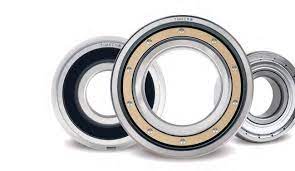
Deep groove ball bearings are the most widely used bearing type and are particularly versatile. They have low friction and are optimized for low noise and low vibration which enables high rotational speeds.
Angular Bearings
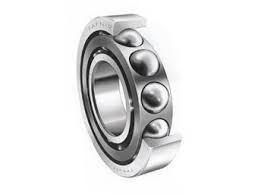
Angular contact ball bearings have inner and outer ring raceways that are displaced relative to each other in the direction of the bearing axis. This means that these bearings are designed to accommodate combined loads, i.e. simultaneously acting radial and axial loads.
Taper Roller Bearings
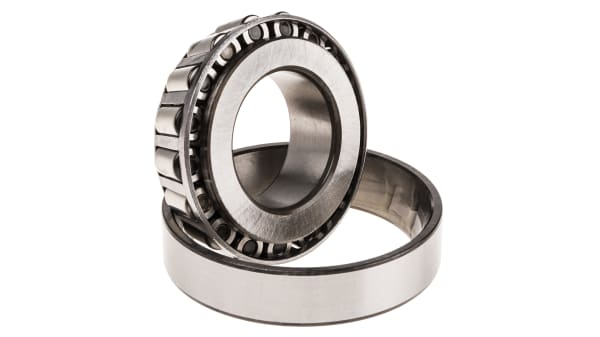
Tapered roller bearings feature a cup and cone assembly. The cup consists of the outer ring and the cone assembly consists of inner ring, rollers, and cage. This bearing construction accommodates combined loads and provides low friction during operation. By adjusting one single row tapered roller bearing against a second tapered roller bearing and applying a preload, a rigid bearing application can be achieved.
Spherical Roller Bearings
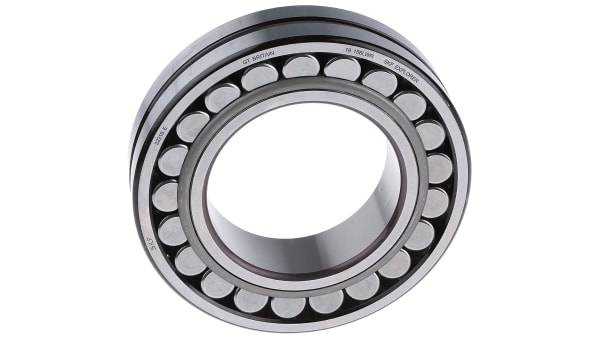
Dealing with very heavy radial and axial loads in applications prone to misalignment or shaft deflections? Meet the challenge with KK Industrial spherical roller bearings, whose high load carrying capacity and ability to accommodate misalignment help you obtain low maintenance costs and long bearing service life
Spherical Plain Bearings
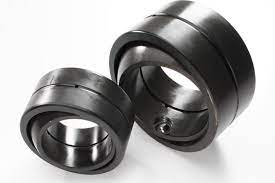
Spherical plain bearings are used to accommodate shafts or rods with varying amounts of misalignment. They are designed to manage high radial loads and provide consistent performance under conditions of marginal lubrication, extreme speed and critical-application stress.
Rod Ends
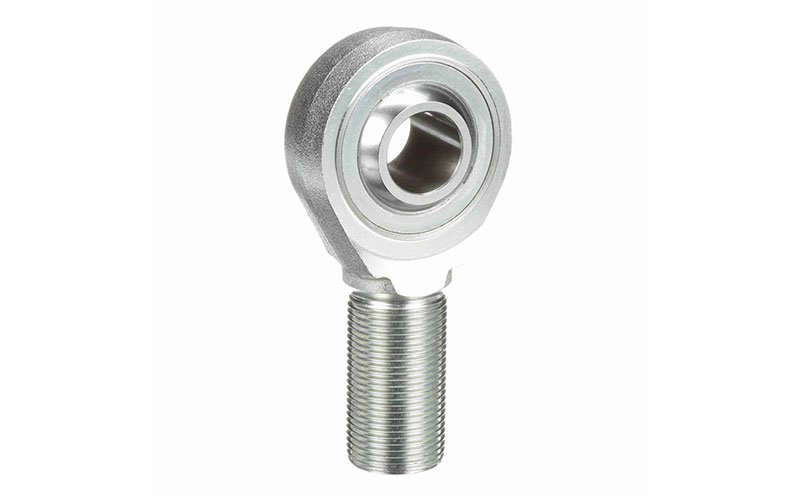
Rod ends are used to connect the ends of control rods, steering links and other tie rods used for mechanical control. A rod end provides an effective point-to-point contact with the center of rotation lying on the axis of both attached shafts.
Steel Balls
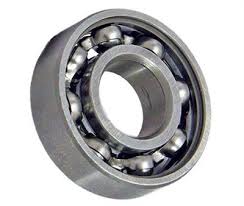
A ball bearing is a type of rolling-element bearing that serves three main functions while it facilitates motion: it carries loads, reduces friction and positions moving machine parts. Ball bearings use balls to separate two “races,” or bearing rings, to reduce surface contact and friction across moving planes.
Needle Bearings
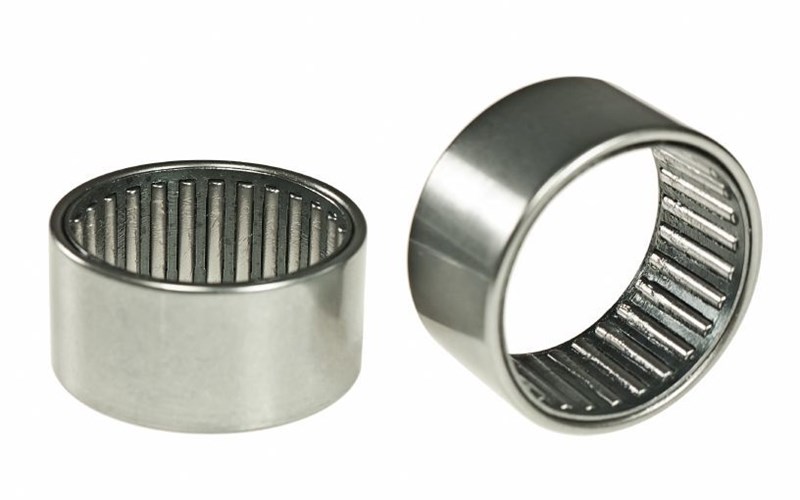
A needle roller bearing is a bearing that uses small cylindrical rollers. These rollers are used to reduce friction of a rotating surface. Compared to ball bearings, needle roller bearings have a large surface area that is in contact with the bearing raceway journals
Loose Needles
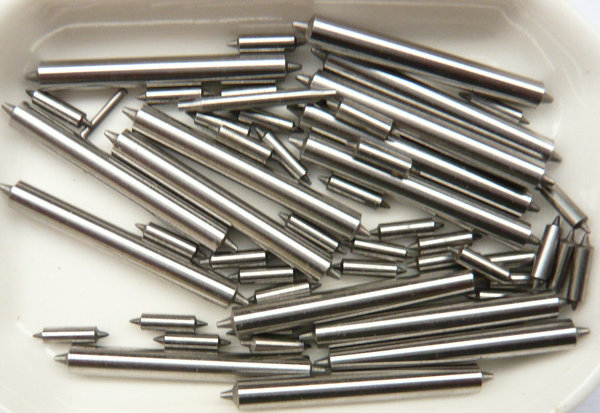
Loose needle roller bearings are equipped with thin and long rollers (the length of the roller is 3 to 10 times the diameter, and the diameter is generally not greater than 5mm), so the radial structure is compact. The diameter and load capacity of loose needle roller bearings are similar to other types.
Wavey Washers
Wave washers, also commonly referred to as wave springs or coiled wave springs, are used to absorb stress due to axial compressive loads, acting as a cushion. The waves of the wave washer provide 3, 4, or 6-point contact that results in greater load bearing capacity and a medium range of deflection.

Lock Nuts
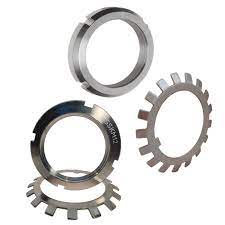
Lock nuts are used to locate bearings onto a shaft. Additionally, they can be used to mount bearings with a tapered bore onto tapered shaft seats and adapter sleeves, and to dismount bearings from withdrawal sleeves. Lock nuts are also frequently used to secure gears, belt pulleys and other machine components.
Lock Washers
Bearing lock washers are a precision fastener used to secure bearing lock nuts in power transmission applications.
Adapter Sleeves
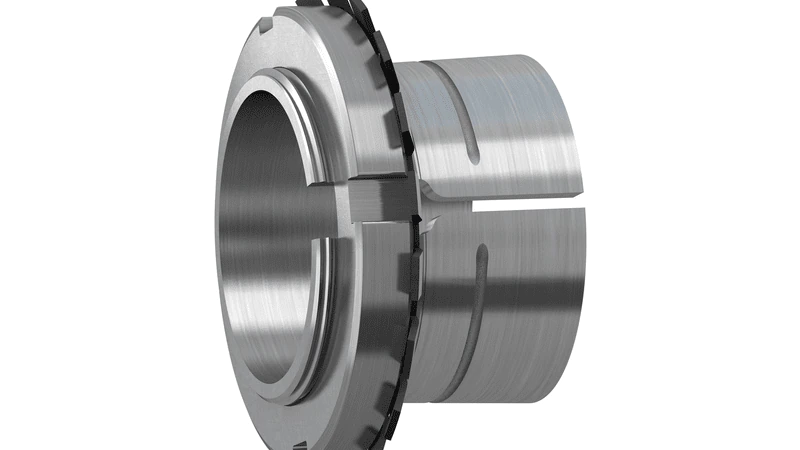
Adapter sleeves are the most commonly used components for locating bearings with a tapered bore onto a cylindrical seat. They are easy to install and require no additional location on the shaft. When used on plain shafts, the bearing can be located at any position on the shaft. When used on stepped shafts together with an L-shaped spacer ring, the bearing can be accurately positioned axially, thereby facilitating bearing mounting and dismounting.
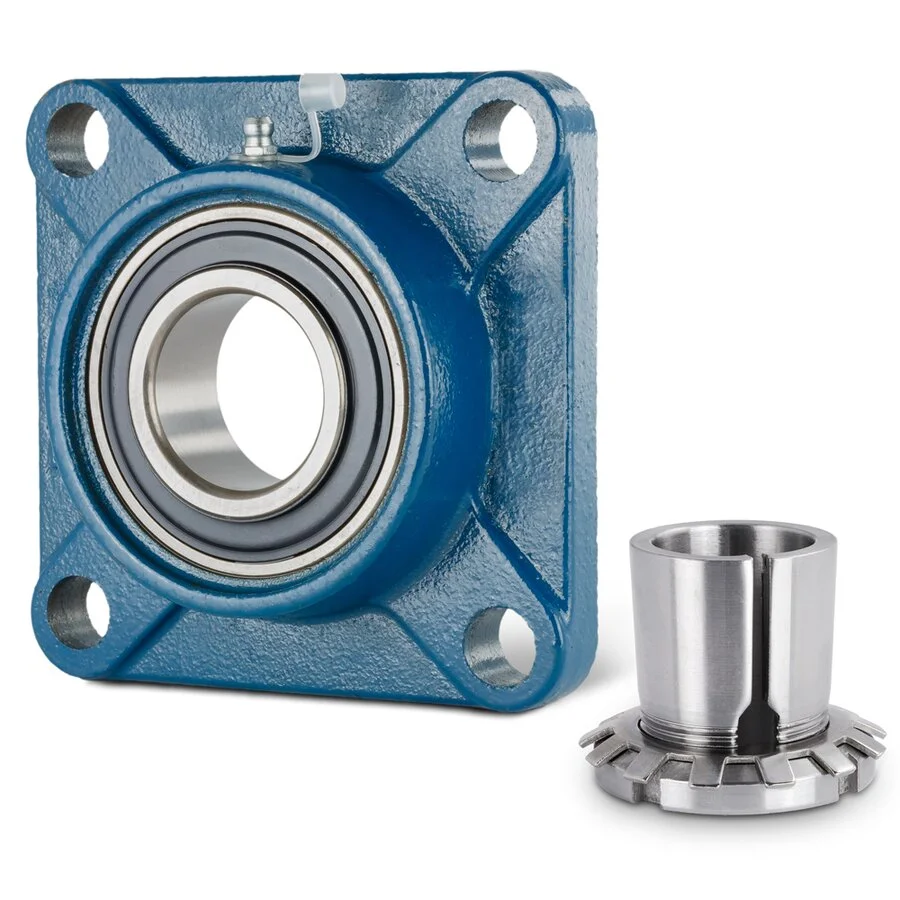
Flange Unit Bearings
Flange bearings are designed to facilitate the mounting and positioning of a bearing in a challenging application and are most commonly used when the application requires the bearing to be locked in place.
Hubs
A wheel bearing is a set of steel balls held together in a metal ring, called a race. At the center of your wheels, there is a hollow piece of metal, called a hub. The wheel bearings fit tightly inside this hub, and ride on a metal axle shaft, helping reduce friction when the wheel spins
Bearing Machining
KK Industrial offers machining for bearings.